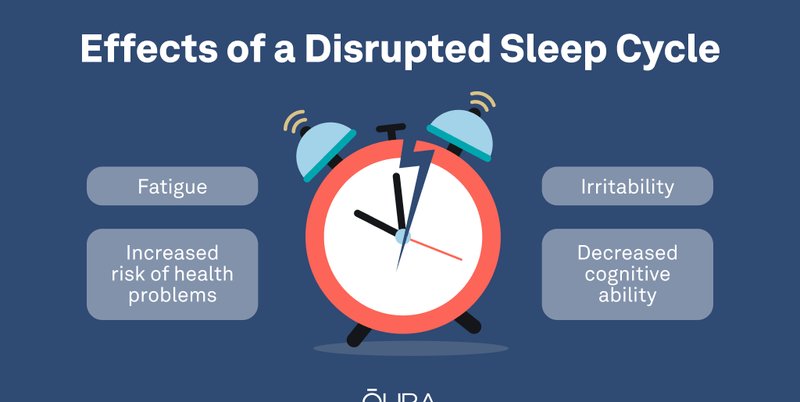
It was 4:47 AM, and I was still awake. Not because I wanted to be. Because I had a grant deadline at 9 AM. Because I had procrastinated for three weeks and was now trying to write 15 pages of methodology in 6 hours. Because I am an idiot. I have a PhD in sleep science. I know exactly what an all-nighter does to the brain. And I still pulled one. Because deadlines are real. And sometimes, despite all your knowledge, all your planning, all your discipline, life happens. And you do not sleep. So what do you do the next day? How do you recover? How do you fix your sleep schedule without making it worse? I have the answer. Because I have made every mistake. And I have tracked the recovery.
First, the bad news. An all-nighter causes 24 hours of total sleep deprivation. Your cognitive performance drops to the equivalent of a blood alcohol content of 0.1%. That is legally drunk in most states. Your reaction time increases by 25%. Your working memory capacity drops by 40%. Your decision-making is impaired. Your emotional regulation is shot. And your risk of microsleeps — brief, uncontrollable episodes of sleep during wakefulness — is elevated for 48 hours. You are dangerous. Do not drive. Do not operate machinery. Do not make important decisions. Treat yourself like you are drunk. Because you are.
Now, the recovery. The most important rule: do not nap for more than 20 minutes. I know you want to sleep for 3 hours. I know you are exhausted. I know your body is screaming for deep sleep. But a long nap will push your circadian rhythm later, making it harder to fall asleep that night. And if you nap long enough to enter deep sleep, you will wake up with severe sleep inertia — groggy, disoriented, and worse than before. A 20-minute nap provides light sleep restoration without circadian disruption. Set an alarm. Do not "just close your eyes." That is how you wake up at 6 PM and ruin your sleep for a week.
Second, get bright light exposure as soon as possible after waking from your nap. This anchors your circadian rhythm to the day. Go outside. Sit by a window. Use a 10,000 lux light box. The light suppresses melatonin, activates your sympathetic nervous system, and tells your brain that it is daytime. Even if you feel like death. Especially if you feel like death. Light is the most powerful circadian cue. And after an all-nighter, your circadian rhythm is confused. It needs clear signals.
Sleep Cycle Calculator
Calculate your optimal bedtime based on 90-minute sleep cycles. Enter your wake-up time and get 5 perfect bedtimes. No more groggy mornings.
All data stays in your browser — we never see it.
Third, do not consume caffeine after 2 PM. I know you want to. I know you are tired. But caffeine has a half-life of 5 to 6 hours. If you drink coffee at 3 PM, half of it is still in your system at 9 PM. A quarter is still there at 3 AM. And you need to fall asleep tonight. You need to reset your schedule. Caffeine will prevent that. So no caffeine after 2 PM. No exceptions. Drink water. Stay hydrated. Dehydration worsens sleep deprivation symptoms. But no caffeine. Not even tea. Not even chocolate. You are in recovery mode. Treat it like a medical protocol.
Fourth, go to bed at your normal bedtime. Not earlier. Not later. Your normal bedtime. If you usually go to bed at 10:30 PM, go to bed at 10:30 PM. Your circadian rhythm is already disrupted. Going to bed at 8 PM will confuse it further. You will lie awake, frustrated, and anxious. And that anxiety will make it harder to sleep. Stick to your schedule. Trust your biology. Even when it feels wrong. Because consistency is the only thing that repairs a disrupted circadian rhythm.
Fifth, use a low dose of melatonin if needed. Not a high dose. Not a sleeping pill. 0.5 to 1 mg of melatonin, taken 30 minutes before your normal bedtime. This provides a gentle signal to your suprachiasmatic nucleus that it is time to sleep. It does not sedate you. It does not force sleep. It just shifts your circadian phase slightly earlier. And after an all-nighter, you need that shift. Your melatonin onset is probably delayed from the overnight light exposure and stress. Melatonin helps reset it. But keep the dose low. High doses cause grogginess and disrupt your natural production.
Nap Planner
Calculate the perfect nap length and timing. Avoid sleep inertia with our 10-minute vs 90-minute nap guide. Plan your power nap like a pro.
All data stays in your browser — we never see it.
Sixth, protect your sleep environment. After an all-nighter, your sleep is fragile. Your sleep architecture is compromised. You need every advantage. Blackout curtains. White noise. Cool temperature at 65 degrees. No screens for 2 hours before bed. No alcohol. No heavy meals. Your brain is trying to recover. Do not make it work harder. Create the perfect sleep cave. And stay in it for 8 hours. Even if you wake up in the middle of the night. Do not check your phone. Do not look at the clock. Just lie there. Rest is almost as restorative as sleep. And your brain needs both.
Seventh, accept that you will not feel normal for 2 to 3 days. One night of good sleep does not fully recover from an all-nighter. Your deep sleep will be prioritized on night 1. Your REM will be prioritized on night 2. Your cognitive performance will return to baseline by day 3. Your mood will stabilize by day 4. Do not expect instant recovery. Do not schedule important meetings on the day after an all-nighter. Do not expect to be creative. Do not expect to be patient. You are recovering from a biological insult. Give yourself grace. And time.
I have pulled 7 all-nighters in my life. Three during my PhD. Two during grant deadlines. One when Leo was sick. One when I was stupid. Each time, I tracked my recovery. Each time, it took 3 days to feel normal. Each time, the 20-minute nap protocol worked better than the 3-hour nap protocol. Each time, the no-caffeine-after-2-PM rule was the hardest to follow. And each time, the consistency rule — normal bedtime, normal wake time — was the most important. Your circadian rhythm is a stubborn thing. It does not like change. And the only way to fix it is to be consistent. Even when consistency feels impossible.
Bedtime Finder
Find your ideal bedtime based on your current sleep habits and how you feel. Get a realistic adjustment plan with gradual shifts.
All data stays in your browser — we never see it.
One more thing. If you are pulling all-nighters regularly — more than once a month — something is wrong. Your workload is too high. Your time management is too poor. Or your procrastination is too severe. All-nighters are not a badge of honor. They are a sign of failure. Failure to plan. Failure to prioritize. Failure to protect your sleep. And the cost is not just one day of grogginess. It is cumulative cognitive decline, emotional dysregulation, and health damage. Fix the root cause. Not just the recovery. Because no recovery protocol can undo chronic sleep deprivation. Only sleep can do that. And sleep requires planning. And discipline. And boundaries. All the things that prevent all-nighters in the first place.
| Recovery Day | Sleep Priority | Cognitive Performance | Key Action |
|---|---|---|---|
| Day 1 (After) | Deep Sleep | 60% of baseline | 20-min nap, bright light, no caffeine after 2 PM |
| Day 2 | REM Sleep | 75% of baseline | Normal bedtime, melatonin if needed, perfect sleep environment |
| Day 3 | Full Architecture | 90% of baseline | Consistent schedule, light exercise, normal caffeine |
| Day 4 | Stabilization | 100% of baseline | Resume normal life, reflect on prevention |
How long does it take to recover from an all-nighter?
Full cognitive recovery takes 3 to 4 days. Deep sleep is prioritized on night 1, REM on night 2, and full architecture stabilization by night 3. Do not expect to feel normal after one good night's sleep.
Should I nap after an all-nighter?
Yes, but limit naps to 20 minutes. Long naps enter deep sleep and cause severe sleep inertia, plus they delay your circadian rhythm and make nighttime sleep harder. Set an alarm and stick to 20 minutes.
Can I drink coffee to stay awake after an all-nighter?
Yes, but stop all caffeine by 2 PM. Caffeine's 5-6 hour half-life means afternoon coffee will fragment your recovery sleep. Hydration and bright light are better afternoon tools.
Should I go to bed early after an all-nighter?
No. Go to bed at your normal bedtime. Going to bed too early confuses your circadian rhythm and causes sleep-onset insomnia. Consistency repairs circadian disruption faster than extra hours.
Is melatonin helpful for recovery sleep?
Yes, a low dose (0.5-1 mg) taken 30 minutes before your normal bedtime can help reset a delayed circadian phase. Avoid high doses which cause grogginess and disrupt natural production.
