Why Your Teenager Sleeps Until Noon (And It Is Not Laziness)
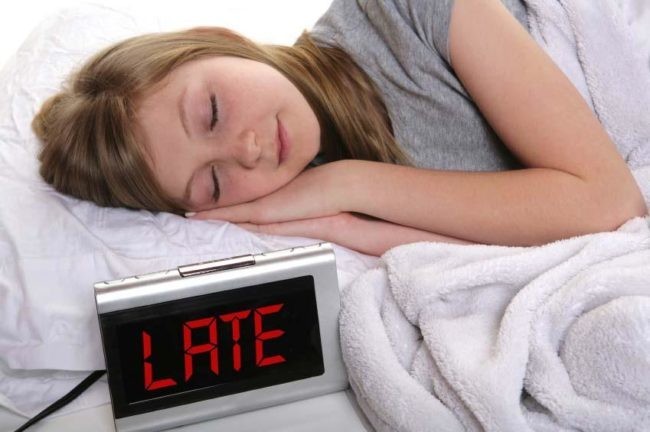
It was 9:47 AM on a Saturday in Boulder, and Leo was still asleep. Not just asleep. Asleep and unreachable. I knocked. I opened the blinds. I threatened to make him fold laundry. Nothing. At 11:30, he emerged from his room like a bear from hibernation, squinting at the light, grunting in my direction, and heading straight for the cereal. I have a PhD in sleep science. And I still had to stop myself from calling him lazy. Because I know better. And because he would have thrown the cereal box at me.
Here is the thing. Teenagers do not sleep late because they are undisciplined. They sleep late because their circadian clocks are running on a different schedule than the rest of the world. During puberty, the suprachiasmatic nucleus shifts later by about 2 to 3 hours. This is not a preference. It is biology. The melatonin onset in a teenager happens around 11 PM, compared to 9 PM in younger kids. That means asking a teenager to fall asleep at 10 PM is like asking an adult to fall asleep at 7 PM. It is not reasonable. It is not fair. And it is not their fault.
I tracked Leo's sleep for two weeks during summer break. He naturally fell asleep around 12:30 AM and woke up around 9:30 AM. That is 9 hours. Perfect for a 12-year-old. But during the school year, his alarm goes off at 6:45 AM. He is losing 2.5 hours of sleep every single school day. Multiply that by 180 school days. That is 450 hours of sleep debt. No wonder he crashes on weekends. His body is trying to pay back a loan it never agreed to. His body is bankrupt.
Sleep Cycle Calculator
Calculate your optimal bedtime based on 90-minute sleep cycles. Enter your wake-up time and get 5 perfect bedtimes.
All data stays in your browser — we never see it.
The Sleep Cycle Calculator shows that if Leo needs to wake up at 6:45 AM, his ideal bedtime is 9:15 PM or 10:45 PM, based on 90-minute cycles. But his biology says he cannot fall asleep at 9:15 PM. So he is caught between his school schedule and his circadian reality. The calculator cannot fix the school start time. But it can help us find the least bad option. The least bad option is still bad. But it is better than nothing.
The Bedtime Finder helped us build a gradual shift. Instead of forcing Leo to bed at 9:30 on Sunday night after a summer of midnight bedtimes, we started shifting 15 minutes earlier every three days. It took two weeks to get from 12:30 to 10:30. That is still late. But it is manageable. And he was actually falling asleep instead of lying in bed staring at the ceiling and texting his friends about how unfair life is.
The Sleep Debt Tracker is where the real conversation happens. Leo can see his accumulated deficit in real numbers. Not my nagging. Data. Last week, he had 8.5 hours of sleep debt. He looked at the chart and said, that is why I feel like crap. Exactly. I did not say it. The tracker did. That is the difference between a lecture and a lesson. Between a parent and a scientist. I prefer being a scientist. It is less exhausting.
Bedtime Finder
Find your ideal bedtime based on your current sleep habits and how you feel. Get a realistic adjustment plan.
All data stays in your browser — we never see it.
If you have a teenager who sleeps until noon on weekends, do not wake them up. Let them sleep. They are not being lazy. They are being biologically accurate. The problem is not the teenager. The problem is a school system designed for farmers, not for adolescents. Until that changes, the best we can do is track, adjust, and advocate. And maybe buy blackout curtains. And earplugs. For us, not for them.
P.S. Leo just asked me why I am writing about him. I told him it is research. He said I should pay him. I said sleep is payment enough. He did not agree. He never agrees.
— Dr. Sarah Mitchell, Boulder
Sleep Debt Tracker
Track your sleep debt over time. Log your actual sleep vs your goal and see your accumulated deficit.
All data stays in your browser — we never see it.
Mike, my husband, is a software engineer. He wakes up at 6 AM without an alarm. He does not understand why Leo cannot do the same. I have explained circadian biology to him 47 times. He nods. He agrees. Then he asks why Leo is still asleep at 10 AM on Saturday. I love Mike. But he is a morning person. And morning people think the world is lazy. The world is not lazy. The world is on different clocks.
Leo's school starts at 7:45 AM. That means he needs to be up at 6:45. That means he needs to be asleep by 9:45 PM to get 9 hours. His biology says he cannot fall asleep before 11 PM. The math does not work. The math has never worked. And every school district that starts before 8:30 AM is actively harming their students' health. The CDC said this. The AAP said this. The schools do not care. They care about bus schedules.
We bought blackout curtains. We bought a white noise machine. We bought a weighted blanket. We did not buy a new school schedule. That is the one thing we actually need. And it is the one thing we cannot buy. So we track. We adjust. We advocate. And we let Leo sleep until noon on Saturdays. Because biology is not a choice. And sleep is not a luxury. It is a requirement. Even for teenagers. Especially for teenagers.
Why do teenagers sleep so late?
During puberty, the suprachiasmatic nucleus shifts melatonin onset by 2-3 hours later. This is biological, not behavioral. Asking a teen to sleep at 10 PM is like asking an adult to sleep at 7 PM.
Is my teenager lazy for sleeping until noon?
No. Teenagers who sleep late on weekends are repaying accumulated sleep debt from early school start times. Their bodies are biologically programmed for later sleep onset.
How much sleep debt do teenagers accumulate?
A teen waking at 6:45 AM with a natural sleep onset of 12:30 AM loses 2.5 hours nightly. Over 180 school days, that is 450 hours of sleep debt.
What can parents do about teen sleep schedules?
Use gradual bedtime shifts (15 minutes every 3 days), track sleep debt, advocate for later school start times, and allow weekend sleep-ins without judgment.
Do later school start times actually help?
Yes. The CDC and AAP recommend 8:30 AM or later. Districts that shifted saw improved attendance, test scores, and mental health. The obstacle is usually bus scheduling, not student welfare.
