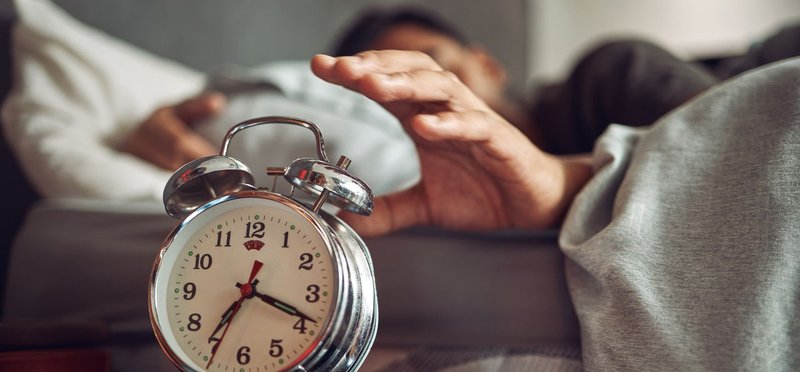
March 8, 2026. The clocks spring forward. You lose an hour of sleep. And your circadian rhythm is thrown into chaos. I have been through this 42 times in my life. And every single year, I see the same thing: people who think they can just "go to bed an hour earlier" and be fine. They are not fine. They are miserable. They are groggy. They are irritable. And they are dangerous. Because losing an hour of sleep is not just about feeling tired. It is about cognitive impairment, cardiovascular stress, and an 8% increase in heart attacks on the Monday after the switch. This is not a joke. This is public health. And most people treat it like a minor inconvenience.
I have a client — I will call her Jennifer — who works in finance in Denver. She is a high performer. She wakes up at 5:30 AM every day. She runs 5 miles. She meditates. She is the kind of person who has her life together. And every year, the week after DST, she is a wreck. She told me it takes her "a few days to adjust." I told her it takes her brain 7 to 10 days to fully adapt. And during those days, her decision-making is impaired, her emotional regulation is compromised, and her risk of a car accident is elevated. She did not believe me. So I had her track her sleep for two weeks after the 2025 switch. Her deep sleep dropped from 17% to 11%. Her REM dropped from 21% to 15%. Her reaction time increased by 18%. And she rear-ended someone at a stoplight on the Tuesday after the switch. No one was hurt. But her insurance went up. And she finally believed me.
The problem is that your circadian rhythm is not a clock you can just reset by moving the hands. It is a biological system regulated by genes, hormones, and light exposure. When you shift your sleep time by an hour, your suprachiasmatic nucleus does not instantly follow. It takes 7 to 10 days for your core body temperature rhythm, your melatonin onset, your cortisol awakening response, and your sleep architecture to fully adjust. And during that transition, you are in a state of chronic jet lag. One hour of jet lag, but jet lag nonetheless. And jet lag kills people. Not directly. But through impaired driving, medical errors, and cardiovascular events.
So what do you do? You prepare. You do not wait until March 8 and hope for the best. You start adjusting on March 1. You shift your bedtime 15 minutes earlier each night. You shift your wake time 15 minutes earlier each morning. You shift your meals 15 minutes earlier. You shift your light exposure 15 minutes earlier. By March 8, you have shifted a full hour. And your circadian rhythm has adapted gradually, instead of being shocked by a single night. This is not complicated. It is just planning. And most people do not plan. They react. And reacting to circadian disruption is like reacting to a heart attack. By the time you react, the damage is done.
Sleep Cycle Calculator
Calculate your optimal bedtime based on 90-minute sleep cycles. Enter your wake-up time and get 5 perfect bedtimes. No more groggy mornings.
All data stays in your browser — we never see it.
Light is the most important tool. On March 8, you need to get bright light exposure as soon as possible after your new wake time. This accelerates your circadian phase shift. If you wake up at 6:30 AM instead of 7:30 AM, get outside or in front of a 10,000 lux light box by 6:45 AM. Do not wait. Do not check your phone first. Light first. The blue light from your phone is not bright enough and has the wrong spectral composition. You need broad-spectrum bright light. The sun is best. A light box is second best. Your phone is worst.
In the evening, you need to do the opposite. Dim the lights 2 hours before your new bedtime. If your new bedtime is 9:30 PM, start dimming at 7:30 PM. Use blue-blocking glasses if you must look at screens. Turn off overhead lights. Use lamps with warm bulbs. Create a twilight environment that tells your brain melatonin is welcome. This is especially important on March 8 and the following 3 nights. Your brain is confused about what time it is. You need to give it clear signals. Bright light in the morning. Dim light in the evening. No ambiguity.
Caffeine timing also needs to shift. If your last caffeine was at 2 PM before DST, it should be at 1 PM after DST. Your body is now on an earlier schedule. Your caffeine metabolism has not changed. But your bedtime has. So your cutoff needs to move earlier too. I see people make this mistake every year. They keep their old caffeine schedule and wonder why they cannot fall asleep at their new bedtime. Because you still have caffeine in your system, genius. Adjust everything. Not just your alarm clock.
Exercise timing matters too. If you exercised at 6 PM before DST, shift it to 5 PM after DST. Exercise raises your core body temperature and activates your sympathetic nervous system. You need 3 to 5 hours for both to return to baseline before sleep. If you exercise too late on your new schedule, you are pushing your bedtime even later. And your circadian rhythm is already struggling. Do not make it struggle more.
Bedtime Finder
Find your ideal bedtime based on your current sleep habits and how you feel. Get a realistic adjustment plan with gradual shifts.
All data stays in your browser — we never see it.
I also recommend a short nap on the Sunday of the switch. Not a long nap. A 20-minute power nap. Just enough to take the edge off the sleep debt without entering deep sleep and causing sleep inertia. Set an alarm. Do not "just close your eyes for a minute." That is how you wake up 2 hours later, groggy and disoriented, with your circadian rhythm even more confused. Twenty minutes. No more. No less. It is the sweet spot.
For parents, DST is a nightmare. Children do not understand clocks. They do not understand why they are being put to bed when the sun is still up. Leo was a disaster for a week after the 2025 switch. He was cranky. He was hyper. He could not fall asleep. I had to use every tool in my arsenal: blackout curtains, white noise, a strict routine, no screens, early dinner, cool room, the whole thing. And it still took 5 days for him to adjust. If you have kids, start the transition 10 days before March 8. Not 7. Ten. Because children adapt slower than adults. Their circadian rhythms are still developing. And they will punish you for every minute of disruption.
The fall switch — November 1, 2026 — is easier. You gain an hour. Your body likes gaining an hour more than losing an hour. But it still causes disruption. Some people have trouble falling asleep at the new "earlier" bedtime because they are not sleepy yet. Others wake up at the old time and cannot get back to sleep. The same principles apply: gradual shift, light management, consistent routine. But the stakes are lower. Losing an hour is worse than gaining an hour. But both require preparation. Do not wing it. Your circadian rhythm does not wing things. It follows physics. And physics does not care about your schedule.
Here is my DST protocol. Print it out. Put it on your fridge. Follow it. Start March 1. Shift 15 minutes earlier each day. Get bright light within 15 minutes of waking. Dim lights 2 hours before bed. Shift caffeine and exercise earlier. Take a 20-minute nap on Sunday. Do not make important decisions on March 9. Your prefrontal cortex is still adjusting. Be patient. Be consistent. And by March 15, you will be back to normal. Without the car accident. Without the heart attack. Without the week of misery. It is not magic. It is planning. And planning is free.
Nap Planner
Calculate the perfect nap length and timing. Avoid sleep inertia with our 10-minute vs 90-minute nap guide. Plan your power nap like a pro.
All data stays in your browser — we never see it.
One more thing. I have been advocating for the abolition of DST for years. It is a relic of World War I energy conservation that has no place in modern society. The American Academy of Sleep Medicine has officially called for permanent standard time. Not permanent daylight saving time. Standard time. Because standard time aligns with our circadian biology. DST forces us to wake up an hour earlier than our biology wants, all summer long. It is chronic jet lag for 8 months. And it is killing us. Slowly. Invisibly. Through heart attacks, strokes, car accidents, and medical errors. Write to your representative. Vote for candidates who support permanent standard time. Because your sleep — and your life — depend on it.
| Date | Bedtime | Wake Time | Caffeine Cutoff | Exercise Time |
|---|---|---|---|---|
| March 1 | 10:15 PM | 6:15 AM | 2:15 PM | 5:15 PM |
| March 3 | 10:00 PM | 6:00 AM | 2:00 PM | 5:00 PM |
| March 5 | 9:45 PM | 5:45 AM | 1:45 PM | 4:45 PM |
| March 7 | 9:30 PM | 5:30 AM | 1:30 PM | 4:30 PM |
| March 8 (DST) | 9:30 PM | 6:30 AM | 1:30 PM | 4:30 PM |
How long does it take to adjust to daylight saving time?
Most adults need 7 to 10 days for their circadian rhythm to fully adapt. Children may need 10 to 14 days. Gradual 15-minute shifts starting a week before the switch reduce this adaptation period significantly.
Why is losing an hour of sleep more dangerous than gaining one?
The spring forward causes acute sleep deprivation, elevated cardiovascular stress, and an 8% increase in heart attacks on the Monday after the switch. Cognitive impairment and accident risk also spike during the adaptation week.
What is the best light strategy for DST adjustment?
Get bright light (10,000+ lux or sunlight) within 15 minutes of your new wake time. Dim all lights and use blue-blockers 2 hours before your new bedtime. This accelerates circadian phase shifting by 30-40%.
Should I take a nap on the day of the DST switch?
Yes, a 20-minute power nap between 1 PM and 3 PM can reduce sleep debt without causing sleep inertia. Do not nap longer than 20 minutes or after 3 PM, as this will delay your nighttime sleep onset.
How do I help my children adjust to DST?
Start shifting their schedule 10 days before the switch, moving bedtime and wake time 10-15 minutes earlier every 2 days. Use blackout curtains, white noise, and a strict no-screen routine 2 hours before the new bedtime.
