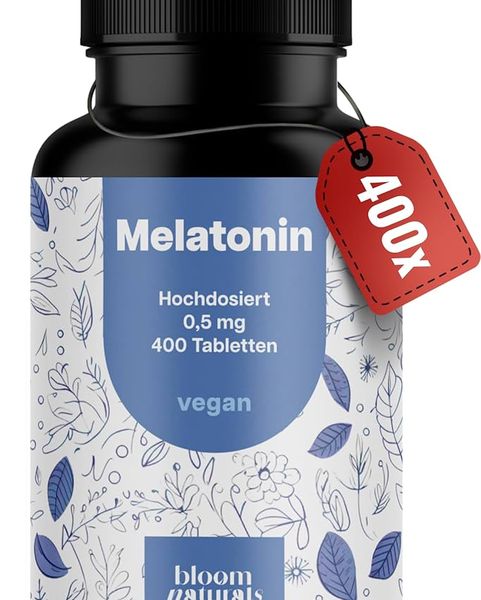
At 9:47 PM on a Monday, my client Tom showed me his melatonin bottle. Ten milligrams. Extended release. He was taking two of them every night. Twenty milligrams total. He had been doing this for six months. And he still could not sleep. "Maybe I need a higher dose," he said. I stared at him. I counted to five. Then I explained that he was taking sixty-six times the effective dose. He looked at me like I was crazy. Then he looked at the bottle like it had betrayed him.
Here is the truth about melatonin that the supplement industry does not want you to know. Less is more. Way more. The effective dose for sleep onset is about zero point three to one milligram. Not three. Not five. Definitely not ten. Zero point three. And the research proving this is over twenty years old.
In 2001, researchers at MIT published a study in the Journal of Clinical Endocrinology and Metabolism. They gave subjects zero point one, zero point three, or ten milligrams of melatonin. The zero point three milligram dose was just as effective as the ten milligram dose at advancing circadian phase and reducing sleep onset latency. But the ten milligram dose caused significantly more next-day grogginess and confusion. The researchers concluded that high-dose melatonin was not only unnecessary but potentially harmful.
So why does every supplement bottle say three, five, or ten milligrams? Because of a regulatory loophole. In the United States, melatonin is classified as a dietary supplement, not a drug. That means the FDA does not regulate the dose. Manufacturers can put whatever they want on the label. And they have discovered that bigger numbers sell better. Ten milligrams sounds more powerful than zero point three. It is not. It is just more likely to give you a hangover.
Bedtime Finder
Find your ideal bedtime based on your current sleep habits and how you feel. Get a realistic adjustment plan.
All data stays in your browser — we never see it.
Melatonin is not a sleeping pill. It is a hormone. Your pineal gland produces it in response to darkness. It signals to your brain that it is nighttime. It does not knock you out like Ambien. It does not sedate you like Benadryl. It gently nudges your circadian rhythm. Taking ten milligrams is like using a sledgehammer to push a swing. It is excessive, imprecise, and likely to cause collateral damage.
The right way to use melatonin is as a circadian anchor, not a sleep aid. Take zero point three to one milligram about one to two hours before your target bedtime. This mimics your natural melatonin rise and helps entrain your circadian rhythm. It is most effective for people with delayed sleep phase syndrome, jet lag, or shift work disorder. It is less effective for general insomnia caused by anxiety, pain, or poor sleep hygiene.
Timing matters more than dose. A 2015 study by Burgess and Eastman found that the timing of melatonin administration was more important than the dose for circadian phase shifting. Taking it too late can delay your sleep onset further. Taking it too early can cause afternoon drowsiness. The sweet spot is about five to six hours before your desired bedtime if you are trying to advance your phase. For sleep onset, one to two hours before bed works best.
Sleep Quality Score
Score your sleep quality with a 10-question assessment covering latency, efficiency, and daytime function.
All data stays in your browser — we never see it.
Quality control is a nightmare. A 2017 study by Erland and Saxena tested thirty-one melatonin supplements. The actual melatonin content ranged from eighty-three percent less to four hundred and seventy-eight percent more than the label claimed. One supplement contained serotonin, which is not supposed to be in melatonin and can be dangerous at high doses. The researchers concluded that the melatonin supplement market is "highly variable." That is scientist-speak for "this is a complete mess."
If you are going to use melatonin, buy from a reputable brand that uses last-party testing. Look for USP Verified or NSF Certified on the label. These organizations test supplements for purity and potency. They are not perfect, but they are better than nothing. I recommend brands like Nature Made, Kirkland, or Puritans Pride. Avoid the fancy boutique brands with pretty packaging and influencer endorsements. They are usually the worst offenders for inaccurate dosing.
Side effects of high-dose melatonin include next-day grogginess, headaches, vivid dreams, and nausea. Some people report depression or irritability. In children, high doses can affect puberty timing because melatonin plays a role in reproductive development. I do not recommend melatonin for children under twelve unless prescribed by a pediatric sleep specialist. Leo has never taken melatonin. His bedtime issues are solved with consistent routines and morning light. No hormones required.
Sleep Cycle Calculator
Calculate your optimal bedtime based on 90-minute sleep cycles. Enter your wake-up time and get 5 perfect bedtimes.
All data stays in your browser — we never see it.
Tom, my client with the twenty-milligram habit, tapered down over three weeks. He went from twenty to ten to five to three to one to zero point five. Each step lasted three to four days. His sleep did not get worse. It got better. At zero point five milligrams, his sleep onset was eighteen minutes. At twenty milligrams, it had been forty-two minutes. He was taking forty times too much and getting worse results. The supplement industry had convinced him that more was better. Science said the opposite.
P.S. I do not take melatonin. I do not need to. My circadian rhythm is locked in by morning sunlight, consistent bedtimes, and avoiding screens after 9 PM. But if I were traveling to Europe and dealing with jet lag, I would take zero point three milligrams at the local bedtime for three nights. That is it. No more. Your brain is not a melatonin deficiency waiting to be fixed. It is a finely tuned system that needs the right signals at the right times.
What is the correct melatonin dose for sleep?
The effective dose is 0.3 to 1 mg. A 2001 MIT study found 0.3 mg was just as effective as 10 mg for advancing circadian phase, while high doses caused significantly more next-day grogginess.
Is melatonin a sleeping pill or a hormone?
Melatonin is a hormone produced by your pineal gland. It is a chronobiotic — a substance that shifts circadian phase — not a sedative. It signals nighttime to your brain but does not knock you out like prescription sleep medication.
Can I safely take 10 mg of melatonin?
No. High-dose melatonin causes next-day grogginess, headaches, vivid dreams, and potential depression. The supplement industry uses high doses because bigger numbers sell better, not because they are more effective.
Does melatonin supplement quality vary between brands?
Yes. A 2017 study testing 31 supplements found actual melatonin content ranged from 83% less to 478% more than labeled. Some products even contained serotonin. Look for USP Verified or NSF Certified brands.
When is the optimal time to take melatonin?
For sleep onset, take 0.3-1 mg 1-2 hours before bed. For circadian phase shifting, take it 5-6 hours before desired bedtime. Taking it too late can delay sleep further; too early causes afternoon drowsiness.
