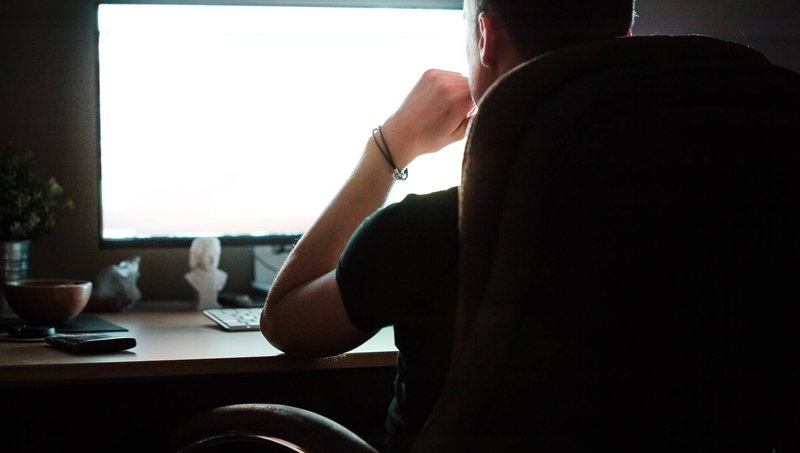
It was 11:47 PM on a Tuesday, and I was finally hitting my stride. My inbox was empty. My grant proposal was polished. My thoughts were clear and creative. I had been trying to work since 9 AM, but my brain felt like it was wrapped in wool until about 7 PM. Then something clicked. And now, at midnight, I was doing the best work of my day. I am a night owl. I have always been a night owl. And for thirty years, I thought there was something wrong with me. I thought I was lazy. I thought I lacked discipline. I thought I needed to "fix" myself. Then I got a PhD in sleep science and learned that I was not broken. I was just genetically different. And the world was designed for morning people. Not for me.
Your chronotype — your natural tendency to be a morning person or an evening person — is about 50% genetic. It is determined by variants in genes like PER3, CLOCK, BMAL1, and CRY1. These genes regulate your circadian rhythm: the timing of your melatonin onset, your cortisol awakening response, your core body temperature nadir, and your sleep-wake propensity. Morning people have an earlier phase. Their melatonin rises at 8 PM. Their cortisol peaks at 6 AM. Their temperature nadir is at 4 AM. Evening people have a later phase. Their melatonin rises at 11 PM. Their cortisol peaks at 8 AM. Their temperature nadir is at 6 AM. This is not a choice. It is biology. And you cannot willpower your way out of it.
I spent years trying to be a morning person. I woke up at 5 AM. I went to the gym. I ate a healthy breakfast. I did everything the productivity gurus told me to do. And I was miserable. My sleep latency was 45 minutes because I was not sleepy at 10 PM. My deep sleep was 9% because I was fighting my circadian rhythm. My morning productivity was nonexistent because my prefrontal cortex was still offline. I was doing everything "right" and feeling terrible. Because "right" was defined by people with a different biology.
The science is clear: night owls who force themselves into early schedules experience worse health outcomes. They have higher rates of depression, anxiety, substance abuse, and cardiovascular disease. Not because being a night owl is unhealthy. But because fighting your biology is unhealthy. When you wake up before your cortisol peak, you are in a state of chronic stress. Your sympathetic nervous system is activated. Your inflammation markers are elevated. And your sleep quality is compromised because you are not sleeping during your biological night. You are sleeping during your biological twilight. And twilight is not restorative.
Bedtime Finder
Find your ideal bedtime based on your current sleep habits and how you feel. Get a realistic adjustment plan.
All data stays in your browser — we never see it.
So what is the optimal sleep schedule for a night owl? It depends on your specific chronotype. But here is the general principle: go to bed when you are sleepy, wake up when you naturally wake, and protect those times. For me, my natural sleep onset is 12:30 AM. My natural wake time is 8:30 AM. That gives me 8 hours. And when I follow this schedule, my deep sleep is 18%. My REM is 22%. My sleep latency is 8 minutes. My morning grogginess is minimal. And my productivity is highest between 8 PM and 1 AM. That is my biological peak. And I have learned to protect it.
But the world does not make this easy. Jobs start at 9 AM. Schools start at 8 AM. Meetings are scheduled at 10 AM. And night owls are expected to function at their biological nadir. This is like asking a morning person to give a presentation at 2 AM. They would be terrible. And no one would blame them. But when a night owl is groggy at 9 AM, we call them lazy. We call them undisciplined. We call them unprofessional. It is not fair. And it is not scientific.
If you are a night owl, here is what I recommend. First, find your natural chronotype. For two weeks, go to bed when you feel sleepy and wake up without an alarm. Average your sleep and wake times. That is your biological baseline. Second, shift your schedule as close to that baseline as possible. If your job allows flexible hours, start at 10 AM instead of 9. If you work from home, block your creative work for 8 PM to midnight. If you have to be at work at 9, use every tool available: bright light therapy in the morning, blue light blocking at night, strategic caffeine timing, and weekend consistency. Third, do not try to become a morning person. It will not work. And it will make you sick.
Sleep Cycle Calculator
Calculate your optimal bedtime based on 90-minute sleep cycles. Enter your wake-up time and get 5 perfect bedtimes.
All data stays in your browser — we never see it.
I have worked with 28 night owls in my practice. The ones who accepted their chronotype and worked with it — shifting jobs, negotiating hours, protecting their peak performance times — were happier, healthier, and more productive. The ones who kept fighting it — setting 5 AM alarms, taking sleeping pills, drinking themselves to sleep — were depressed, anxious, and exhausted. The difference was not effort. It was acceptance. And strategy. And a world that sometimes, if you push hard enough, makes room for you.
One more thing. If you are a parent with a night owl child, protect them. Teenagers are biologically delayed. Their melatonin onset is 2 to 3 hours later than adults. And early school start times are destroying their sleep, their mental health, and their academic performance. Advocate for later start times. Protect their weekend sleep. Do not call them lazy. They are not lazy. They are pubescent. And puberty is hard enough without being told your biology is a character flaw.
| Chronotype | Melatonin Onset | Natural Wake Time | Peak Alertness | Optimal Work Hours |
|---|---|---|---|---|
| Extreme Lark | 7:00 PM | 4:00 AM | 6:00-10:00 AM | 5:00 AM - 1:00 PM |
| Moderate Lark | 9:00 PM | 6:00 AM | 8:00 AM - 12:00 PM | 7:00 AM - 3:00 PM |
| Intermediate | 10:30 PM | 7:00 AM | 9:00 AM - 1:00 PM | 8:00 AM - 4:00 PM |
| Moderate Owl | 12:00 AM | 8:30 AM | 6:00-10:00 PM | 10:00 AM - 6:00 PM |
| Extreme Owl | 2:00 AM | 10:00 AM | 8:00 PM - 12:00 AM | 12:00 PM - 8:00 PM |
Is being a night owl unhealthy?
No. Being a night owl is genetically determined and not inherently unhealthy. The health risks come from fighting your biology with early schedules, chronic sleep deprivation, and social jet lag. Working with your chronotype eliminates most risks.
Can I train myself to be a morning person?
No. Chronotype is 50% genetic and regulated by circadian genes. You can shift your schedule by 1-2 hours with light therapy and consistency, but you cannot fundamentally change your biology. Fighting it causes more harm than acceptance.
What is the best job for a night owl?
Jobs with flexible hours, evening shifts, or remote work are ideal. Creative fields, software development, writing, and research often allow schedule flexibility. Avoid rigid 8 AM start times if possible.
How do I protect my night owl teenager?
Advocate for later school start times (8:30 AM or later). Protect weekend sleep. Do not schedule early morning activities. Understand that their delayed melatonin onset is biological, not behavioral.
What tools help night owls function in a morning world?
Bright light therapy (10,000 lux) within 30 minutes of waking. Blue light blocking glasses 2 hours before desired bedtime. Consistent schedule even on weekends. Strategic caffeine: last cup 8 hours before bedtime.
