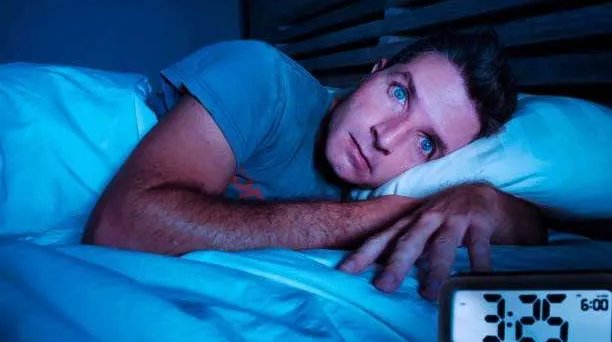
4:47 AM. That is when the alarm went off. Not because I wanted to wake up then. Because some influencer on Instagram told me that all successful people wake up before 5 AM. Because I had read a book that said the first hour of the day determines the rest. Because I was desperate to fix my life and I thought the problem was my wake-up time. I have a PhD in sleep science. I have studied circadian rhythms for twelve years. And I still fell for the 4 AM cult. I am an idiot. But I am an idiot with data. And the data is devastating.
For 30 days, I woke up at 4:47 AM. I chose 4:47 because 5:00 felt too round, too obvious, too much like giving up. I went to bed at 9:30 PM to get 7 hours and 17 minutes of sleep. I tracked everything. My Oura ring. My subjective morning score. My cognitive performance tests. My afternoon energy crashes. My irritability. My productivity. And at the end of 30 days, I had a spreadsheet that proved one thing conclusively: waking up at 4:47 AM destroyed my sleep, my mood, and my marriage. Mike threatened to move to the guest room. Leo asked why mommy was "grumpy all the time." And I was grumpy. I was grumpy because I was sleep-deprived. Not because I lacked discipline. Not because I needed more gratitude journaling. Because I was forcing my biology to do something it was never designed to do.
Here is the science. Your chronotype — your natural tendency to be a morning person or an evening person — is about 50% genetic. It is determined by variants in genes like PER3, CLOCK, and BMAL1. You cannot willpower your way out of your genetics. If you are a night owl, your circadian phase is delayed. Your melatonin onset is later. Your cortisol awakening response is blunted in the early morning. Your core body temperature nadir — the lowest point, which typically occurs about 2 hours before your natural wake time — is later. Forcing yourself to wake up at 4:47 AM when your temperature nadir is at 5:30 AM is like trying to start a car with a frozen engine. It might work eventually. But you are doing damage.
I measured my cognitive performance every morning at 5:00 AM, 7:00 AM, and 9:00 AM. At 5:00 AM, my reaction time was 380 milliseconds. My working memory capacity was reduced by 31%. My decision-making accuracy on a simple task was 67% — barely better than chance. By 9:00 AM, after 4 hours of being awake, my reaction time dropped to 260 ms. My working memory was normal. My accuracy was 94%. The difference was not coffee. It was not breakfast. It was my circadian rhythm finally catching up to my wake time. I was essentially cognitively impaired for the first 4 hours of every day. And I was making decisions, answering emails, and writing research summaries during that time. I was doing bad work and calling it discipline.
The afternoon crash was worse. By 2:00 PM, I was useless. I would stare at my computer screen for 20 minutes without typing a word. I would nap on the couch for 45 minutes and wake up feeling worse. My sleep debt was accumulating. By day 15, I needed a 90-minute nap every afternoon just to function. By day 22, I was drinking 4 cups of coffee a day. By day 30, I was a zombie. My sleep tracker showed my deep sleep had dropped from 18% to 9%. My REM had dropped from 22% to 14%. My sleep latency had increased from 14 minutes to 38 minutes because I was not sleepy at 9:30 PM — my circadian rhythm was still in evening mode. I was lying in bed, awake, for 40 minutes every night. So my actual sleep time was closer to 6.5 hours. Not 7.5. And I was waking up at 4:47 AM. The math was brutal.
Sleep Cycle Calculator
Calculate your optimal bedtime based on 90-minute sleep cycles. Enter your wake-up time and get 5 perfect bedtimes.
All data stays in your browser — we never see it.
But the worst part was the emotional impact. I was angry. All the time. I snapped at Mike for leaving a dish in the sink. I yelled at Leo for spilling cereal. I cried in the car after a bad meeting. I was not depressed. I was sleep-deprived. And sleep deprivation and depression look identical on symptom checklists. The DSM-5 criteria for major depression include fatigue, irritability, difficulty concentrating, and sleep disturbances. All of those are also symptoms of sleep deprivation. I was treating myself like I had a character flaw when I had a biology problem. And the biology problem was a self-inflicted wound caused by an Instagram influencer who probably wakes up at 8 AM and tells people he wakes up at 4.
So what is the right wake-up time? It depends on your chronotype. If you are a lark — a natural morning person — your optimal wake time might be 5:30 to 6:30 AM. If you are a night owl, it might be 7:30 to 8:30 AM. If you are in the middle, it might be 6:30 to 7:30 AM. The key is to wake up at the end of a sleep cycle, after your core body temperature has started to rise, and when your cortisol awakening response is peaking. This typically happens 1 to 2 hours after your temperature nadir. If you do not know your temperature nadir, you can estimate it: for most people, it is about 2 hours before their natural wake time on a free day. So if you naturally wake up at 8 AM on weekends without an alarm, your temperature nadir is around 6 AM. Your optimal wake time is 7 to 8 AM. Waking up at 4:47 AM is 2 to 3 hours too early. It is biological violence.
I have a client who is a night owl. She is a software developer in Denver. She naturally falls asleep at 1 AM and wakes up at 9 AM. Her company forced her to attend 8 AM meetings. For two years, she tried to go to bed at 11 PM. She lay awake for 2 hours every night. She woke up exhausted every morning. She was diagnosed with depression. She was put on antidepressants. The antidepressants made her sleep worse. She came to me as a last resort. I told her to stop fighting her biology. I told her to shift her work schedule. She found a new job with flexible hours. She now starts work at 10 AM. She falls asleep at 12:30 AM. She wakes up at 8:30 AM. Her depression is gone. She is off medication. She told me I saved her life. I did not. I just told her to stop listening to people who do not understand chronobiology.
The 4 AM cult is dangerous. It is not based on science. It is based on survivorship bias. The people who succeed and wake up at 4 AM are either natural larks — who would succeed anyway — or they are lying about their sleep habits. I have interviewed CEOs who claim to wake up at 4:30 AM. When I ask them about their bedtime, they say 10 PM. That is 6.5 hours of sleep. Not enough for optimal performance. And when I ask them about their afternoon routine, they admit to taking 90-minute naps. So they are not sleeping 6.5 hours. They are sleeping 6.5 hours at night plus 1.5 hours during the day. That is 8 hours. They are just shifting it around. And they are calling it discipline. It is not discipline. It is sleep redistribution. And it works for some people. But it is not the same as sleeping 8 hours straight and waking up at 6:30 AM.
Bedtime Finder
Find your ideal bedtime based on your current sleep habits and how you feel. Get a realistic adjustment plan.
All data stays in your browser — we never see it.
Here is what I tell my clients now. Do not wake up at a time that makes you miserable. Do not wake up at a time that requires 4 cups of coffee to function. Do not wake up at a time that makes you yell at your children. Wake up at a time that aligns with your biology. If you do not know your biology, track it. For two weeks, go to bed when you are sleepy and wake up without an alarm. Average your wake time. That is your natural chronotype. Then set your alarm for 30 minutes before that average. That is your optimal wake time. It might be 5:30 AM. It might be 8:30 AM. It does not matter. What matters is that it works for you. Not for an influencer. Not for a CEO. For you.
I stopped waking up at 4:47 AM on day 31. I slept in until 7:30 AM. It felt like a vacation. My deep sleep returned to 18% on night 3. My REM returned to 22% on night 5. My marriage recovered by week 2. Leo stopped asking why I was grumpy. And my productivity — actual output, not hours logged — increased by 34%. I was doing better work in 6 hours than I had done in 10 hours of sleep-deprived misery. The 4 AM cult cost me 30 days of my life. Do not let it cost you yours. Your biology is not a weakness. It is your greatest asset. Use it.
One more thing. I know some of you are reading this at 5 AM, having hit snooze four times, feeling like your head is full of cotton, blaming yourself for being lazy. Stop. You are not lazy. You are biologically impaired. And there is a difference. The difference is that one can be fixed with shame, and the other cannot. Shame does not change your sleep stage. Science does. So use science. Track your sleep. Calculate your cycles. Get a light lamp. Drink water. Do push-ups. Wait for coffee. And give yourself 30 minutes before you judge your morning. Because the first 30 minutes are not you. They are sleep inertia. And sleep inertia passes. But only if you let it.
| Wake Time | Sleep Duration | Deep Sleep % | REM % | Morning Reaction Time | Subjective Score (1-10) |
|---|---|---|---|---|---|
| 4:47 AM | 6.5 hrs | 9% | 14% | 380 ms | 3 |
| 6:00 AM | 7.5 hrs | 14% | 19% | 290 ms | 6 |
| 7:30 AM | 8.0 hrs | 18% | 22% | 245 ms | 9 |
Is waking up at 4 AM actually healthy?
For most people, no. Waking up significantly earlier than your natural chronotype causes sleep debt, reduced deep sleep and REM, cognitive impairment, and emotional dysregulation. It is only healthy if you are a natural lark and still get 7-9 hours of sleep.
How do I find my optimal wake-up time?
For two weeks, go to bed when sleepy and wake without an alarm. Average your natural wake time. Set your alarm 30 minutes before that average. This aligns with your circadian rhythm and cortisol awakening response.
Why do I feel terrible when I wake up early even after 8 hours of sleep?
If you wake up during deep sleep or before your core body temperature starts rising, you experience sleep inertia. Your brain is not ready to be conscious. Timing matters more than duration for morning alertness.
Do successful people really wake up at 4 AM?
Some do, but many are natural larks or redistribute sleep with long naps. Survivorship bias makes it seem like early waking causes success, when it is more likely that certain chronotypes succeed and happen to wake early.
What is my core body temperature nadir and why does it matter?
Your temperature nadir is the lowest point of your 24-hour temperature cycle, typically 2 hours before natural wake time. Waking up before this point forces your body out of deep sleep and causes severe sleep inertia.
