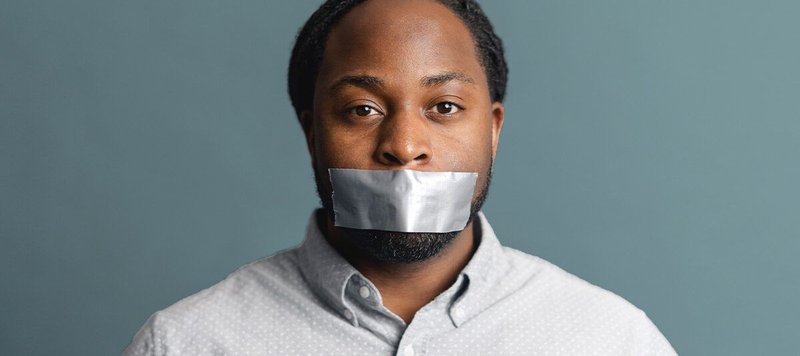
At 10:14 PM last Tuesday, my phone buzzed with a text from my client Rachel. It was a TikTok video. A woman with perfect skin and a ring light was demonstrating how to tape her mouth shut before bed. "This changed my life," the caption read. "I mouth-breathe at night and this forces me to nasal breathe. My sleep score went from seventy-two to ninety-four." Rachel asked me if she should try it.
I typed back a single word: No. Then I called her. Because this trend is not just stupid. It is dangerous. And I am tired of watching sleep influencers with no medical training tell people to restrict their own airway.
Here is the premise behind mouth taping. The idea is that mouth breathing during sleep is bad. Nasal breathing is better. It warms and humidifies the air. It produces nitric oxide, which dilates blood vessels. It reduces snoring. All of this is true. The problem is that taping your mouth shut does not fix the reason you are mouth breathing. It just covers up the symptom. And covering up symptoms can kill you.
I talked to Dr. Kevin Park, an ENT surgeon at Boulder Community Health. He has seen three emergency room visits in the past year directly related to mouth taping. One patient had undiagnosed sleep apnea. When she taped her mouth, she could not get enough air through her nose. Her oxygen saturation dropped to eighty-two percent. She woke up gasping, ripped the tape off, and tore a layer of skin off her lips. Another patient had a deviated septum he did not know about. He woke up in the middle of the night unable to breathe, panicked, and aspirated vomit because he had eaten a heavy dinner and the tape prevented him from clearing his airway.
Sleep Quality Score
Score your sleep quality with a 10-question assessment covering latency, efficiency, and daytime function.
All data stays in your browser — we never see it.
These are not edge cases. About twenty-two percent of adults have some degree of nasal obstruction. Causes include deviated septum, chronic rhinitis, nasal polyps, enlarged turbinates, and allergic inflammation. If you have any of these conditions and you tape your mouth shut, you are essentially creating a controlled suffocation experiment. And you are the subject.
The TikTok influencers will tell you to use "gentle" tape. To use porous tape. To use tape that is easy to remove. None of this matters if your nose is blocked. If you cannot get sufficient airflow through your nose, gentle tape will still suffocate you. It will just do it more slowly.
What about the claims that mouth taping improves sleep quality? There is exactly one peer-reviewed study on this. It was published in 2022 by Lee and colleagues in the journal Healthcare. They studied thirty participants with mild sleep apnea. The results? Mouth taping reduced snoring slightly in some participants but had no significant effect on apnea-hypopnea index, oxygen saturation, or sleep architecture. In other words, it made a little less noise but did not fix the actual problem. And this was in people who were medically screened before participating. The average TikTok user is not getting screened.
Sleep Debt Tracker
Track your sleep debt over time. Log your actual sleep vs your goal and see your accumulated deficit.
All data stays in your browser — we never see it.
Here is what actually works for mouth breathing. See an ENT. Get a nasal endoscopy. Find out why your nose is blocked. It might be allergies. It might be a structural issue. It might be chronic sinusitis. All of these are treatable. I had a client who was a chronic mouth breather. She tried mouth taping for two nights and woke up both nights in a panic. I sent her to Dr. Park. He found she had a ninety percent blockage in her left nostril from a deviated septum. She got surgery. Three months later, she was nasal breathing naturally without tape, without panic, without tearing her lips off.
If you are not ready for surgery, there are non-invasive options. Nasal strips can help open the airway. Saline rinses reduce inflammation. Intranasal corticosteroid sprays, prescribed by a doctor, can shrink swollen turbinates. Allergen avoidance helps if your blockage is allergic. Sleeping with your head elevated reduces nasal congestion. Humidifiers add moisture to dry Colorado air, which helps nasal breathing. These are boring solutions. They do not get TikTok views. But they do not send you to the emergency room.
I want to be clear about something. Nasal breathing is better than mouth breathing. The science on this is solid. Mouth breathing dries out your oral mucosa, increases risk of dental caries, changes facial development in children, and is associated with worse sleep quality. But the solution is not tape. The solution is fixing the nose.
Sleep Cycle Calculator
Calculate your optimal bedtime based on 90-minute sleep cycles. Enter your wake-up time and get 5 perfect bedtimes.
All data stays in your browser — we never see it.
Leo, my seven-year-old, had a brief mouth-breathing phase when he was four. I took him to a pediatric ENT. Turned out he had enlarged adenoids. We treated it conservatively with nasal steroids. His mouth breathing stopped within six weeks. I never considered taping his mouth. I am his mother. I am also a scientist. And taping a childs mouth is something I would expect from a horror movie, not a wellness trend.
If you are currently mouth taping, stop. If you are considering it, do not. If you know someone who does it, send them this article. And if you are an influencer promoting this? I hope you have good liability insurance. Because eventually, someone is going to get hurt. And when they do, I will be here with the polysomnography data to explain exactly why.
P.S. Rachel did not try the tape. She went to an ENT instead. Her sleep score improved by eighteen points after three weeks of nasal steroid treatment. No tape required. No ER visit required. Just science.
Is mouth taping safe for sleep?
No. Taping your mouth shut can be dangerous, especially if you have undiagnosed nasal obstruction, sleep apnea, or a deviated septum. It restricts airflow and has sent people to the emergency room.
Can mouth taping help with snoring?
One peer-reviewed study found it reduced snoring slightly in some participants, but had no significant effect on sleep apnea severity or sleep architecture. It masks symptoms without treating the cause.
What should I do instead of mouth taping?
See an ENT specialist for a nasal endoscopy. Treatable causes include deviated septum, allergies, chronic rhinitis, and enlarged turbinates. Nasal strips, saline rinses, and corticosteroid sprays are safer alternatives.
Who is most at risk from mouth taping?
Anyone with nasal obstruction — about 22% of adults. This includes people with deviated septum, nasal polyps, chronic sinusitis, or undiagnosed sleep apnea. Children should never have their mouths taped.
Does mouth taping improve sleep quality?
No. The only peer-reviewed study on the topic found no improvement in apnea-hypopnea index, oxygen saturation, or overall sleep architecture. It is not a substitute for proper medical treatment.
